
Aleksandr
Well-Known Member
- Messages
- 1,285
So to build on @gbolduev s theory:
Hairloss is either
A) alopecia pattern baldness caused by excessive slow oxidation
B) diffuse thinning / protein wasting caused by excessive fast oxidation
C) a combination of both, caused by mixed oxidation or some kind of drug induced disturbance in the physiology
Lets look at the generic mineral profiles for each:
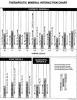
Slow oxidation has high calcium, high magnesium, low sodium and low potassium. Often excess copper which jacks up calcium even more. The calcium to magnesium ratio is related to calcification. Alopecia pattern baldness seems to originate from calcification. Try to massage and move around the scalp at the sides of your head, then try to move around scalp on top of your head. Is the top stiffer and harder to move? If so, calcification present. So, it seems by deduction that if you are a slow oxidiser with higher calcium to magnesium then you will suffer calcification. Women seem to have hormones protecting them from baldness (atleast until menopause) but men do not and often get patten baldness. But thats not all that would be calcifying either. Joints and blood vessels and all sorts. How many years can the human body last in this physiology before it starts aging faster and enters disease states? So it seems super important to sort this out if not just for vanity!
Fast oxidation has low calcium, low magnesium, high sodium and high potassium. Now i'm not 100% sure of this, but there seems to be a difference in "true fast" and a fast from simply lifestyle choices. For example my step kids are both fast oxidisers (most children are, they're age 7 and 9) and their pattern is: low calcium, medium magnesium, super high sodium, and high potassium. Now the sodium and magnesium ratios are usually related: high sodium = low magnesum. Na / Mg is the adrenal ratio: a high ratio (higher sodium to magnesium) indicates overactive adrenals and lower equals under-active (or burnt out). Adult fast oxidisers from lifestyle could be simply exercise-induced (which is my case) which often raises sodium as the adrenals raise to cope with the stress of exercise, and thus lowers (or uses up) magnesium. So I'd argue with gbold here, that due to high sodium often found in adult fast oxi, that this can cause magnesium to lower excessively past calcium and cause calcification / alopecia pattern baldness too.
So what about diffuse thinning / protein wasting? Common in fast oxidaion often times because this person is just so fast and doesn't replenish enough that all their minerals run low. The biggest one here related to protein seems to be phosphorous, which as gbold has outlined seems to get stuck in a negative cycle. Not enough protein (histidine) means not enough HCL to digest more protein which means protein can just run lower and lower. I had low phosphorous myself and i'm currently experimenting with consuming lots of easily digestible meat, aka slow cooked brisket-style beef. I've actually had some acid reflux from this for the first time in forever, which usually indicates high HCL. A good sign it is digesting.
So if brisket increases phosphorous and addresses protein wasting (not sure of this yet, just started the trial. will have to re-test in 6 months) it looks like zinc and magnesium will increase magnesium. I wouldn't take zinc by itself if you are already in slow oxidation, since it increases calcium too. Zinc would be better for fast oxi. Magnesium as an electrolyte (magnesium chloride) often found in certain products like "Genesis Sea Minerals" or "EDGE Electrolytes" (what ive been taking during exercise: https://au.edgeelectrolytes.com/edge-electrolytes-hydration-mix.php ) seem to be a great option to momentarily balance oxidation in times of stress. They also seem to be super hydrating.
My n=1:
I was in fast oxidation by ARL but slow 4 by TEI (due to low phosphorous) and i seem to have both diffuse and alopecia. I scalp massaged for a year, and now my scalp is much more pliable. However it seems to re-calcify slightly especially after exercise. Now they say the hair test is a summary of your last 3 months of physiology, but our oxidation rate can change on an hour by hour basis. I'm currently trying some electrolyte powders which use sea minerals with the sodium removed during exercise (high in magnesium electrolytes) and it seems to prevent calcification during exercise. As gbold says, its about balancing our individual physiology and we have to learn ways to do so. Everyones context is different but I thought i'd share my current views.
@mattyb @Orion @TubZy
Last edited: