Chromium & Copper: These two elements are the most important nutrients next to calcium and
magnesium for their anti-inflammatory properties. They share left / right-sided cell receptors and are
considered essential to human health.
While neither one - with few exceptions - is generally found to be very deficient level-wise, chromium
(Cr) is on average always lower than copper (Cu), with virtually no exceptions. Copper, on the other
hand is elevated in the majority of patients, which creates a chronic copper / chromium conflict ratio-
wise in these individuals.
In fact, of all the patients I have tested since the mid 70's, nearly 90% exhibited a chemical profile that
in addition to their own unique chemistry contained an underlying pattern that reflected the impact of
high copper levels on various opposing nutrients, which include chromium, molybdenum, sulfur, nickel,
Vitamin C, hesperidin, and others.
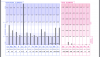
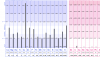
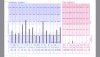
Although chromium appears to be normal on the following graph, it is very low in ratio to copper, its
associated element, so when supplementing chromium, its level will generally not increase at first, but
instead it will gradually lower copper, and in the example below, potassium, since they are high in ratio
to chromium. Only after copper and potassium have been reduced to normal levels, chromium may at
that point start to go up. However, since sufficient amounts of chromium are rarely used, in practice,
copper and potassium just come down closer to normal, and chromium levels stay the same.
Magnesium levels frequently go up following long-term supplementation of chromium because of its
synergism with chromium, and also because of potassium (which is a magnesium antagonist) going
down, and thus not exerting an inhibiting effect on magnesium any longer
Chromium / Copper & associated mineral interactions
There are other copper antagonists such as zinc, but while zinc is generally documented as such in the
nutritional literature, it is not only the weakest of all copper antagonists, but its action on copper takes
place only on an intestinal level, so once copper goes into storage, zinc will have no effect on lowering
copper any longer. The only time zinc could become a threat to copper is in situations where either
copper levels are already on the low side and high amounts of zinc are consumed, or when potassium
and calcium - being "synergistic allies" to copper - are below normal.
Many patients exhibit high levels of zinc and copper, in which case a common denominator such as
ascorbic acid / Vitamin C has to be supplemented in larger amounts to help lower both, while certain
foods such as nuts, shellfish or wheat germ... (containing high levels of copper and zinc), should be
avoided. One major reason why some people require a much higher intake of Vitamin C compared
to others is that they exhibit very high levels of copper, which in these people happens to interfere with
nickel and Vitamin C metabolism. (see also Acu-Cell "Vitamin C Supplementation").
Copper is present in all tissues. The average adult body contains about 80 to 120mg of copper, of
which most of it is stored in the liver. It is an important catalyst in the formation of the oxygen-carrying
molecule hemoglobin. Copper is transferred by albumin across the gut wall and carried to the liver
where it is formed into ceruloplasmin, a copper transport protein. Sufficient ceruloplasmin levels affect
a decrease in the absorption of copper to minimize copper toxicity.
Copper is an essential component of several physiologically important enzymes, including
• cytochrome oxidase, which is necessary for energy metabolism, cellular respiration, and myelin
formation,
• superoxide dismutase (SOD), which helps slow down age-related deterioration of the body, protects
from developing chemical sensitivities (along with polyphenol oxidase), and it is important for normal
humoral immune response,
• histaminase, which breaks down histamine, to control allergies and inflammation,
• lysil oxidase, which is necessary for the formation of the cross-links of collagen and elastin,
• tyrosinase, which is associated with normal pigmentation and keratinization of hair,
• dopamine-beta-hydroxylase, with which copper serves as a cofactor in the synthesis of
norepinephrine, an important neurotransmitter and adrenal hormone that affects fatigue, mood and
depression.
Chronically elevated copper levels in most patients may result from one-sided diets that lack co-factors
or copper antagonists, or from the fact that many copper-rich foods are somewhat addictive, such as
cocoa / chocolate products, colas, coffee, or tea (copper levels are even higher in tea than in coffee).
Other sources include seafood / shellfish, seeds and nuts, liver, soy products, foods or beverages that
are cooked or stored in copper containers (beer), tap water (copper plumbing), and copper IUDs.
Due to the synergism of copper and aluminum (aluminium), a higher intake or absorption of aluminum -
ranging from anti-perspirants, tetra packs, all the way to municipal drinking water treated with aluminum
sulphate and polyaluminum chloride (used as coagulants) - will result in greater copper retention and
lowered sulfur levels since both, aluminum and copper are sulfur antagonists.
High cellular copper levels, along with related sulfur deficiencies, can be considered to be one of the
most prominent causes of many physical and mental health problems, including Alzheimer's Disease.
Higher estrogen hormone levels from Hormone Replacement Therapy (HRT), taking birth control pills
and pregnancy increase intracellular copper and manganese levels, and they sometimes raise serum
copper as well, which can contribute to changes in sugar metabolism, oxygen metabolism (asthma),
and a female's mental and emotional well-being. Serum copper levels also generally increase during
acute infections, where at the same time serum iron levels decline. The only genetic association to
toxic copper overload is found in Wilson's disease, which however is relatively rare.
Copper Toxicity or excessive copper levels have been associated with physical and mental fatigue,
depression and other mental problems, schizophrenia, learning disabilities, hyperactivity / ADD, mood
swings (sometimes violent, criminal or psychotic behavior) and general behavioral problems, memory
and concentration problems, some dementias, sleep disorders, postpartum depression, increased risk
of infections, vascular degeneration, hemangiomas, headaches, arthritis, spinal / muscle / joint aches
and pains, and several cancers.
Copper is a necessary component to support angiogenesis (formation of new blood vessels in tumors),
so to a certain extent, lowering copper reduces the risk to develop benign and malignant (cancerous)
tumors. Nausea and vomiting are not only common effects from copper toxicity, but they can also be
experienced when copper is supplemented on an empty stomach, with acidic foods or beverages, or
with taking higher amounts of Vitamin C.
Low Copper intake can increase the risk of high blood cholesterol, coronary heart disease, irregular
heartbeat, decreased pigmentation of skin / vitiligo, premature graying hair, hernias, aneurysm (bulging
of a blood vessel wall), varicose veins, dermatitis, fatigue, anemia, anorexia, thyroid problems, arthritis
and fragile bones, neutropenia (low neutrophils), lowered immunity, poor healing, allergies, mood and
nervous disorders. Menke's disease is a rare problem of copper malabsorption in male infants.
Some people are convinced that Copper Bracelets help reduce the symptoms of arthritis, whereby
measurements do confirm an increase in intracellular copper from wearing these bracelets and bands.
Since copper is anti-inflammatory, positive effects can be real and attributable to copper salts being
formed and absorbed as a result of copper reacting with fatty acids in the skin. As long as someone's
copper is on the low side, this practice is an effective way to help increase copper levels, however in
someone suffering from copper overload, the extra copper absorbed from these bracelets can worsen
medical symptoms resulting from already high copper levels, or they may over time create new medical
problems in those whose copper levels were previously normal.
Copper shares many attributes with calcium, whereby both can become bio-unavailable at high levels
and result in symptoms of deficiency! (see also Acu-Cell Nutrition "Calcium & Magnesium").
Some practitioners, unaware of the underlying copper excess and lacking the resources to test intra-
cellular levels of copper get temporary results by having a patient supplement more copper. Despite
the initial improvement, this can have disastrous long-term effects on a patient's physical and mental
health.
The correct approach consists of making copper (or calcium) more bioavailable by supplementing the
appropriate co-factors, with the best choice being those whose levels are lowest ratio-wise to copper,
- and as mentioned above - may include Vitamin C, chromium, sulfur (MSM), molybdenum, nickel, or
(rarely) zinc. Avoidance of foods high in copper is of utmost importance as well. This will take care
of the medical conditions a practitioner was originally consulted for, and at the same time prevents the
potential development of new medical problems elsewhere related to excessive copper intake.
Chromium is the "Gold Standard" to help normalize elevated copper, since it is its associated trace
element. More aches and pains, arthritis, slow-healing fractures, sciatica and other back problems,
various infections, etc, can be relieved with chelated chromium (not GTF), than with many other
supplements - provided they conform to the side-specific requirements (see introduction above),
provided that calcium and magnesium are close to normal, since they are also involved with various
disorders of the musculoskeletal system, and provided that potassium levels are not below normal,
since chromium is a potent potassium antagonist.
Following a close second is sulfur, usually supplemented in the form of MSM, whose main action in
addition to helping restore cartilage formation is the lowering of copper! So again, it is the high
copper levels which created a need for sulfur to help reverse joint degeneration.
Originally, glucosamine sulfate (another copper-lowering sulfur compound) had been the non-drug
treatment of choice for joint problems, however its insulin-depressing potential has considerably
reduced its popularity in individuals with hyperglycemic (high blood sugar) tendencies, so MSM has
become the preferred choice instead. (see also Acu-Cell Nutrition "Selenium & Sulfur").
Copper works synergistically with potassium and calcium, so when patients do exhibit low copper
levels, then calcium and potassium are frequently on the low side as well. Taking a 3mg copper pill
for one or two months, or less, is all that is needed for an adult to normalize any copper deficiency,
and then it should always be discontinued, otherwise copper will go too high - being another reason
why most people should avoid multi-mineral formulations containing more than 1 mg of copper.
Chromium occurs in any oxidation state from -2 to +6. Trivalent chromium (Cr+3) is the biologically
active form, while hexavalent chromium (Cr+6) is potentially toxic to the human body. GTF (Glucose
Tolerance Factor) chromium is essential in helping regulate carbohydrate metabolism by improving
the uptake of glucose into the cells so it can be metabolized to produce energy (ATP). It consists of
chromium in the trivalent state - nicotinic acid and the three amino acids glycine, glutamic acid and
cysteine.
Chromium is able to improve cholesterol and triglyceride status, however while small amounts are
necessary for normal carbohydrate metabolism and to help with blood sugar management in diabetics,
supplementing higher amounts of chromium will not reverse Type II diabetes, as some sources claim.
On a similar note, Chromium Picolinate (chromium + picolinic acid) does not increase lean muscle
tissue and decrease body fat, as advertised by other sources. In fact, in contrast to the control groups,
some of the participants in the chromium picolinate groups actually gained weight, and one published
medical report stresses the implications of analogues of picolinic acid being able to cause significant
behavioral changes in those with an increased susceptibility for mood disorders. Chromium picolinate
is clearly the least desirable form to be used for supplementation (see below for additional adverse
effects).
Tissue concentrations of chromium vary considerably in people from different parts of the world, with
amounts in people living in Asia for example being up to five times higher compared to those in people
living in the United States. These higher chromium levels may be one reason for a lower incidence of
diabetes or bone loss in these regions or countries. In addition, excessive sugar intake - prevalent in
Western societies - increases chromium loss and accelerates declining levels with increasing age,
which worsens medical conditions associated with lowered chromium levels. There are also lower
soil levels of chromium in North America, and the refining process of food (sugar cane, whole grains)
reduces sources of chromium as well. Exercise and trauma also contribute to chromium loss, and it is
interesting to note that in laboratory animals, extra chromium supplementation resulted in a life span
increase of up to 33%.
Absorption of various forms of chromium, including GTF is in a low 1-3% range, with the absorption of
Chelated Chromium being usually closer to 25%, so chelated chromium is the preferable choice for
specific medical applications. For instance, when chromium is used for inflammatory conditions such
as an acute bladder infection (cystitis), taking 20,000 mcg of GTF chromium has little or no effect at all
on improving the symptoms, while 2-3,000 mcg / day of chelated chromium will rectify most cases of
cystitis, or it can be used to resolve chronic bladder infections by having patients supplement a lower,
preventative maintenance amount.
Osteoporosis of trabecular bone (spine or end-part of bone) is frequently caused by chromium being
abnormally low in ratio to either copper, potassium, selenium, and/or rarely, vanadium. Chromium is
required for proper parathyroid functions, so any of these Cr antagonists can become responsible for
bone loss if supplemented needlessly, or if their levels remain too high too long for any other dietary
or genetic reason. However, one other major factor that is responsible for bone loss as a result of its
chromium-lowering effect - particularly in Western Societies - and which has been totally overlooked is
Sugar, and all other Simple Carbohydrate sources! (see also Acu-Cell Disorders "Osteoporosis"). ¤